Stay Hungry.
2027
Semester 1 · Offer Accepted
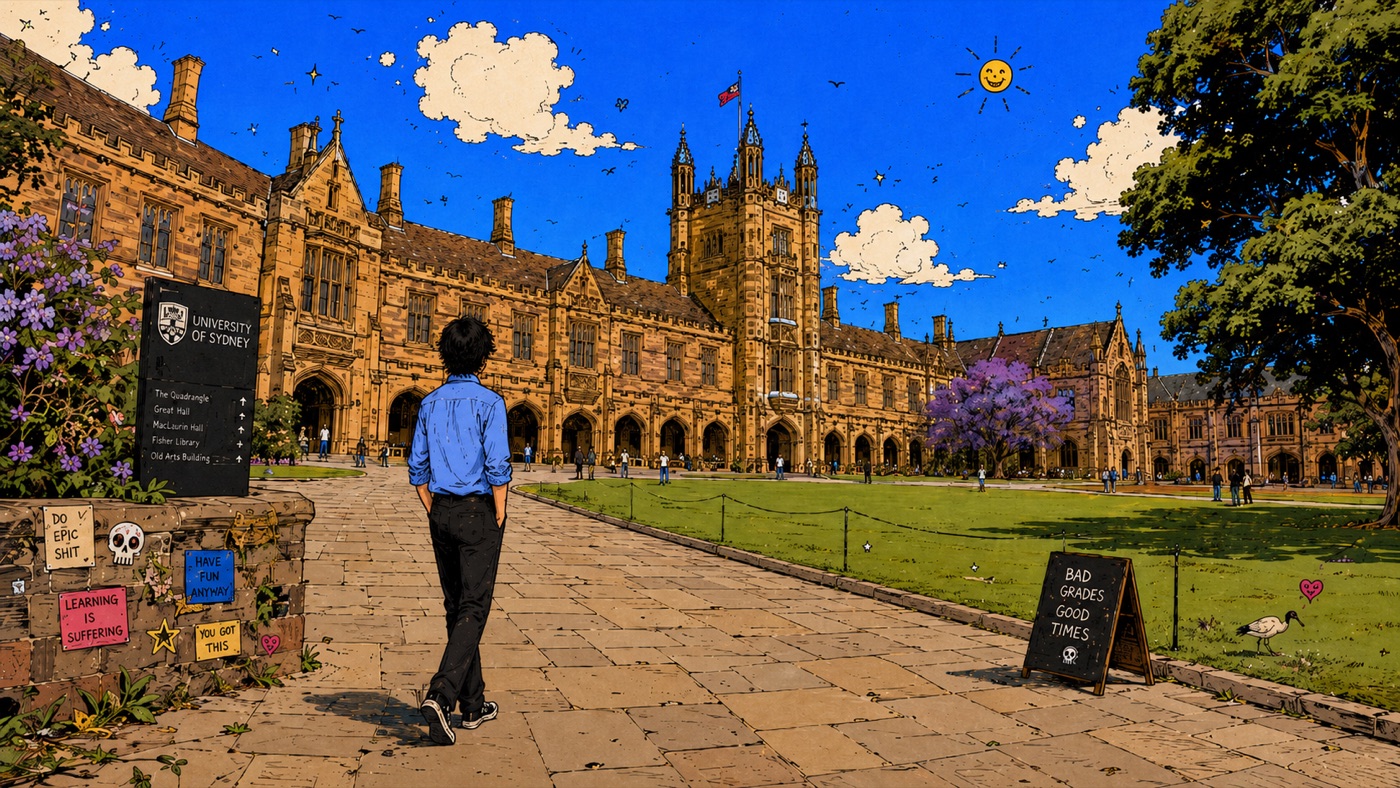
University of Sydney
Bachelor of Arts · Undergraduate Transfer
Admitted to the University of Sydney's Bachelor of Arts program, starting Semester 1, 2027.
2024 —
2026
Shanghai Dianji University
International Economics and Trade (Sino-US Joint Program with UNI)
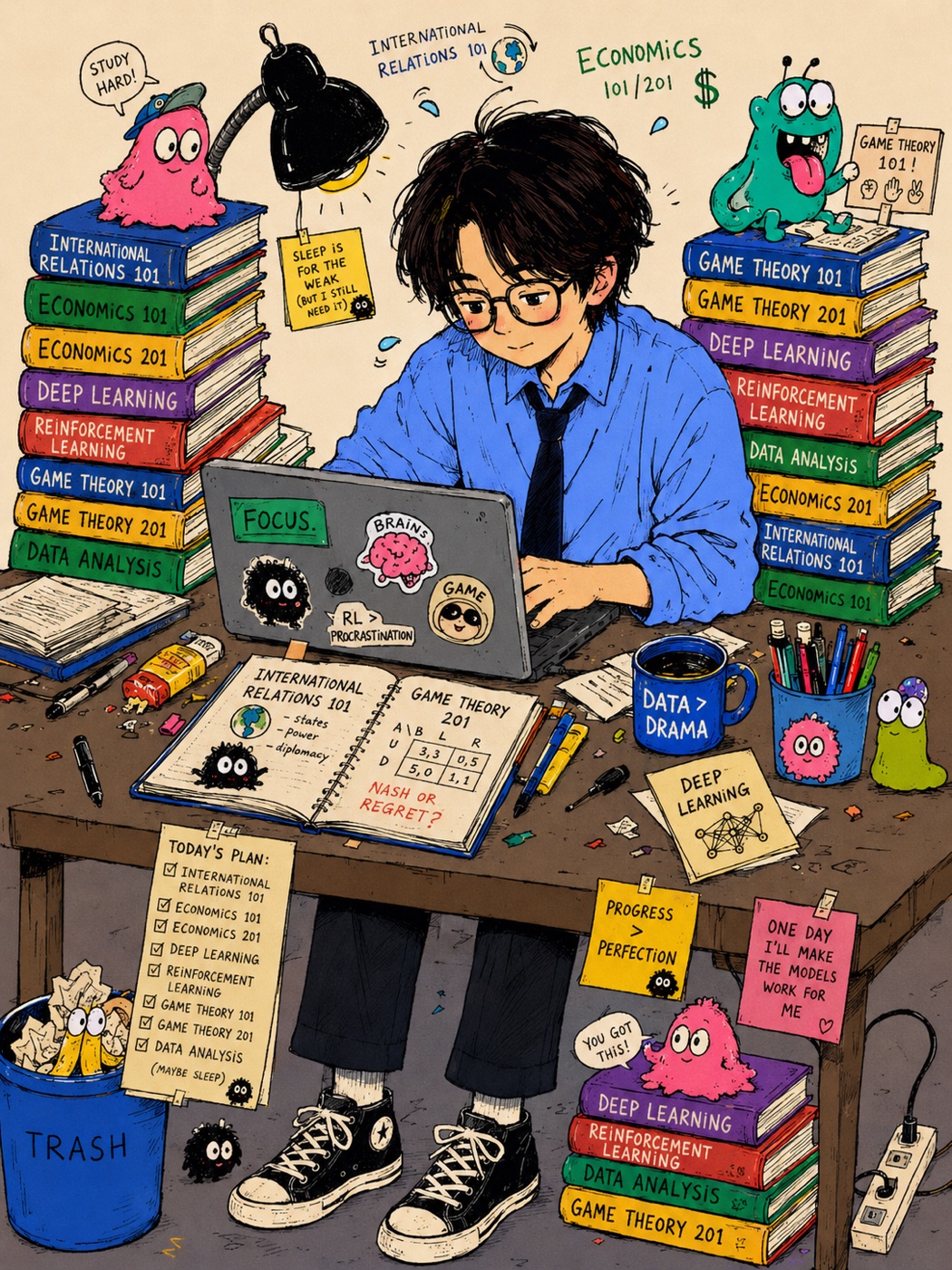
Beyond the required curriculum, I'm deep-diving into reinforcement learning, deep learning, game theory (101 & 201), economics, international relations, neuroscience, and data analysis — subjects that sit at the intersection of the technical, the structural, and the human, and that I plan to carry into the next stage of my work.
Being in
the Room.
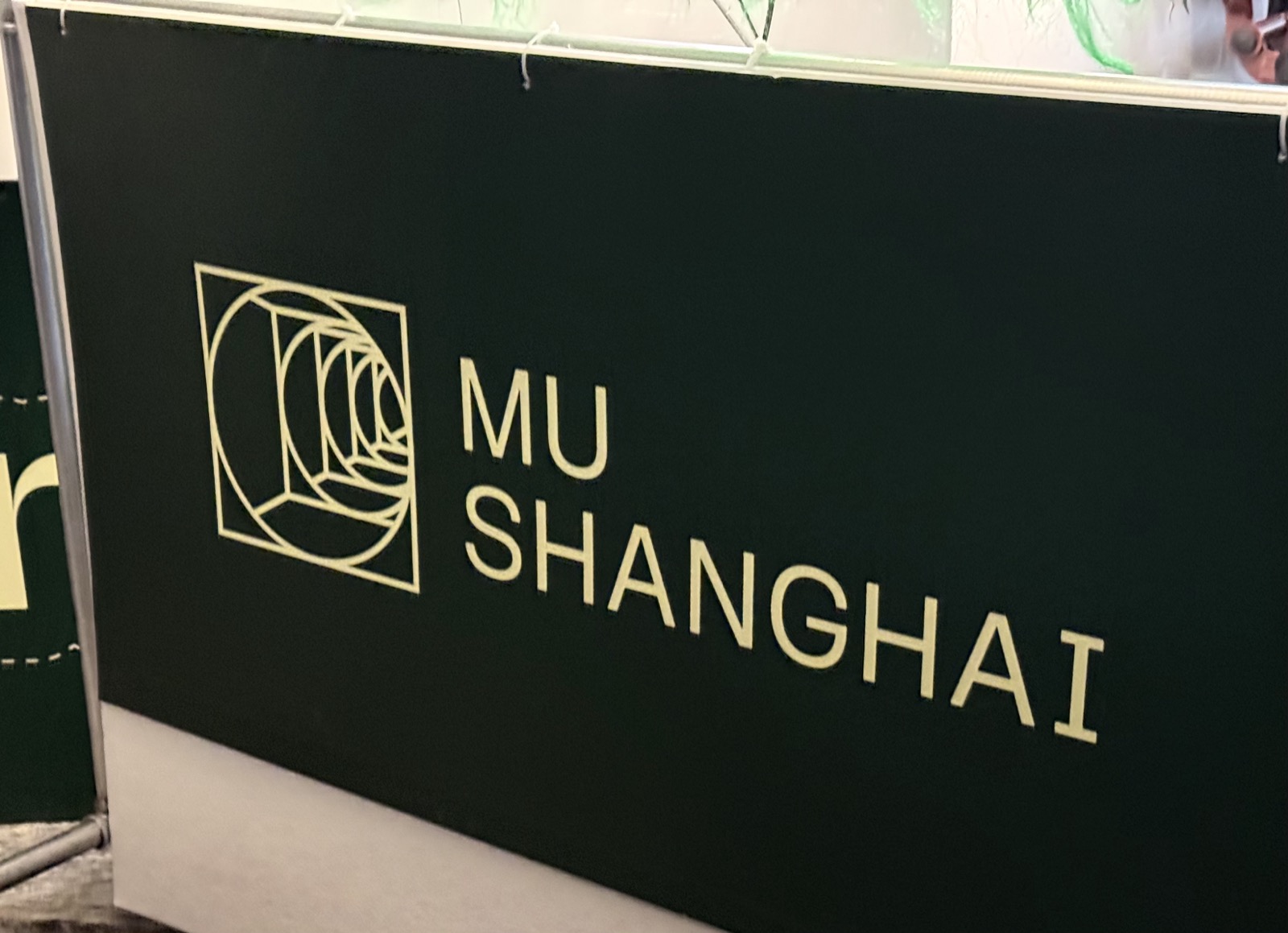
Model United Nations
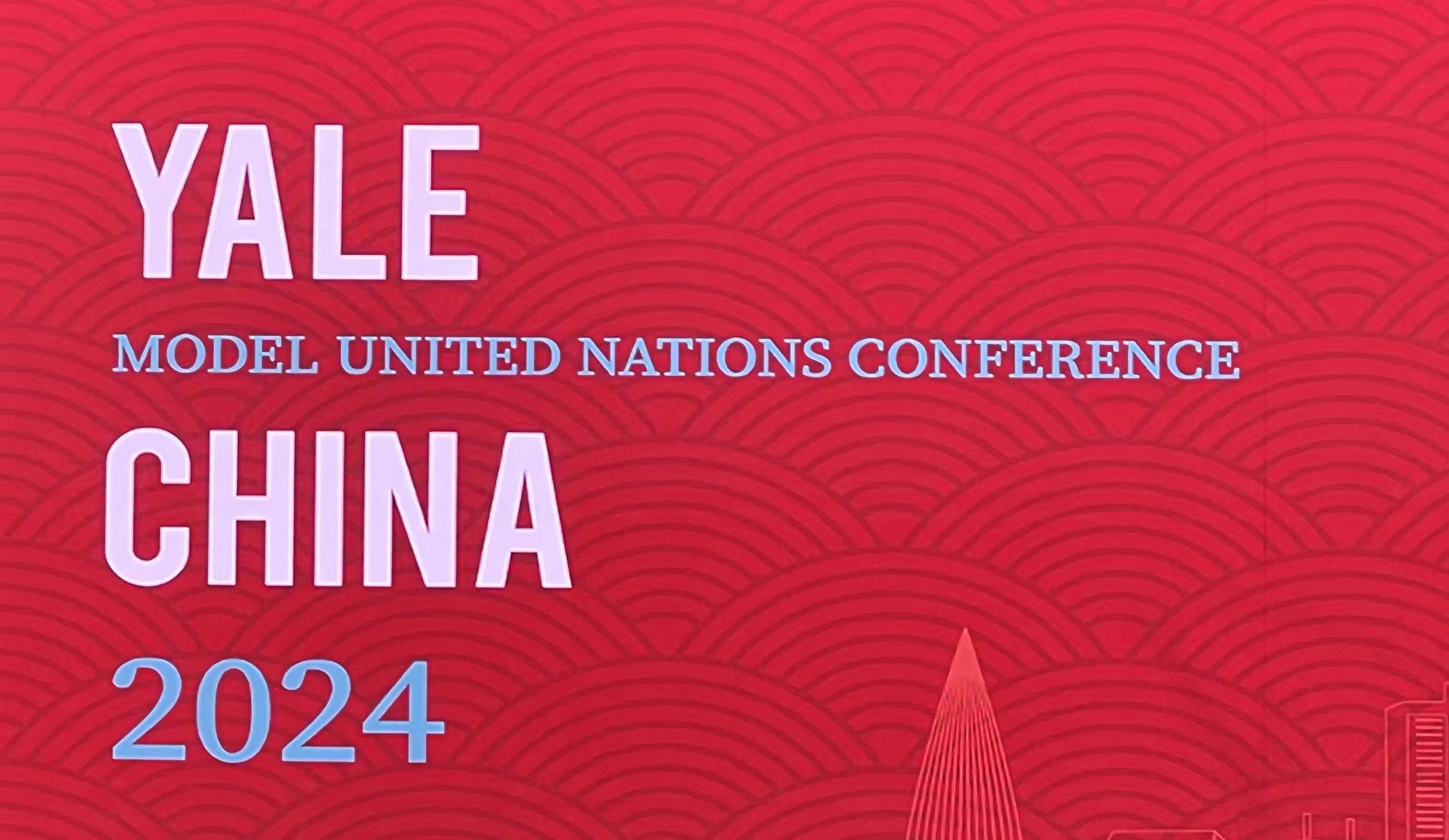
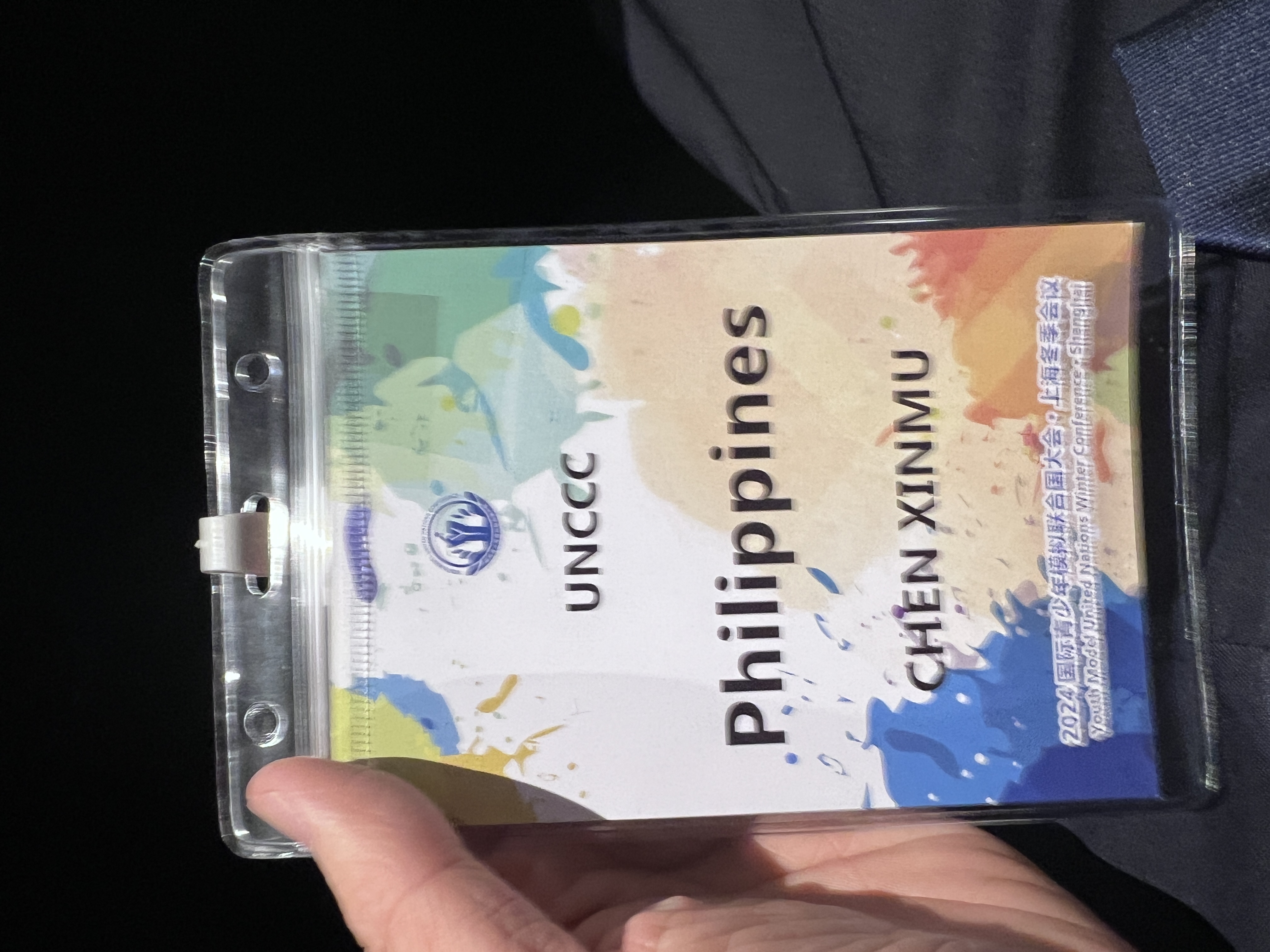
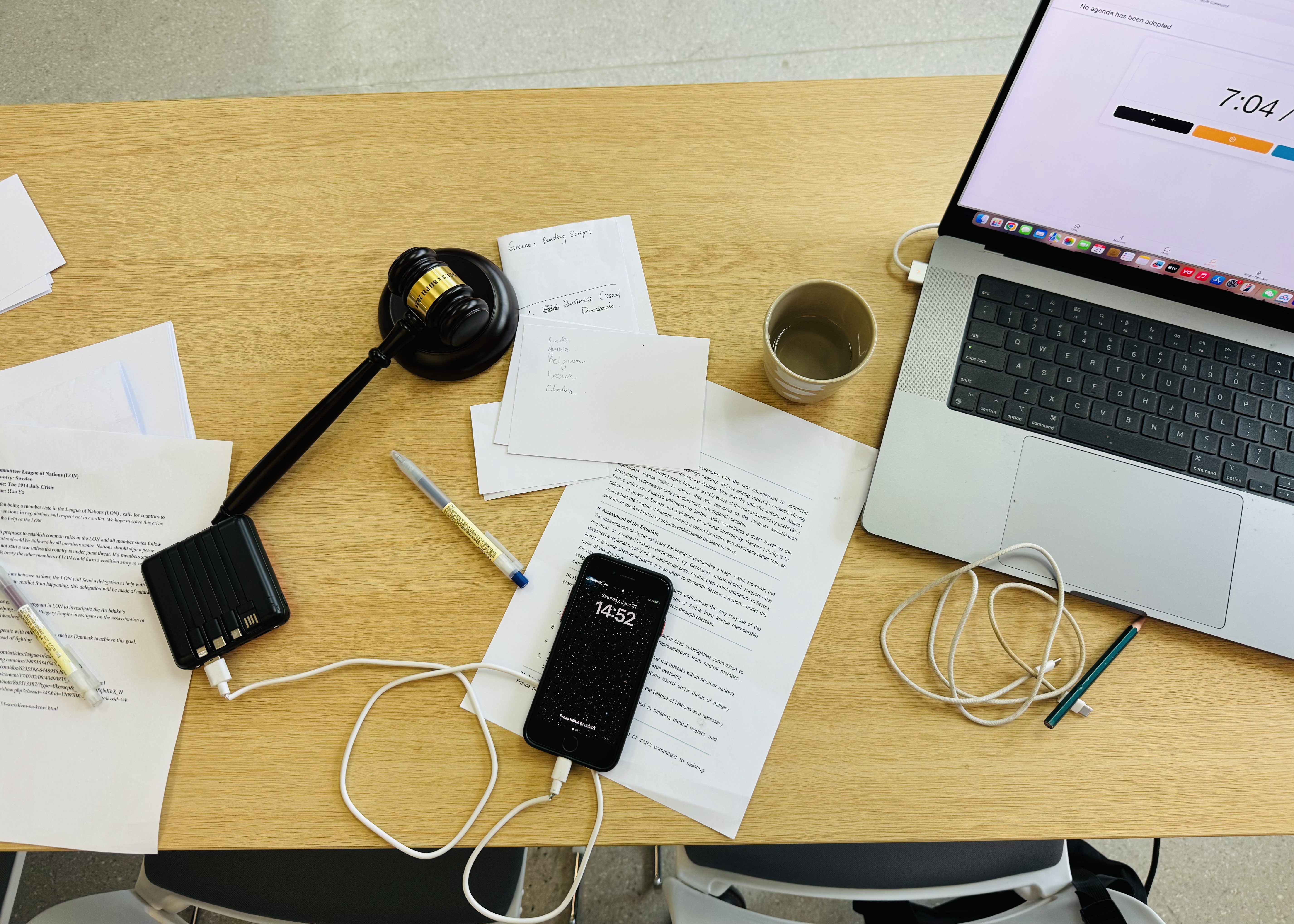
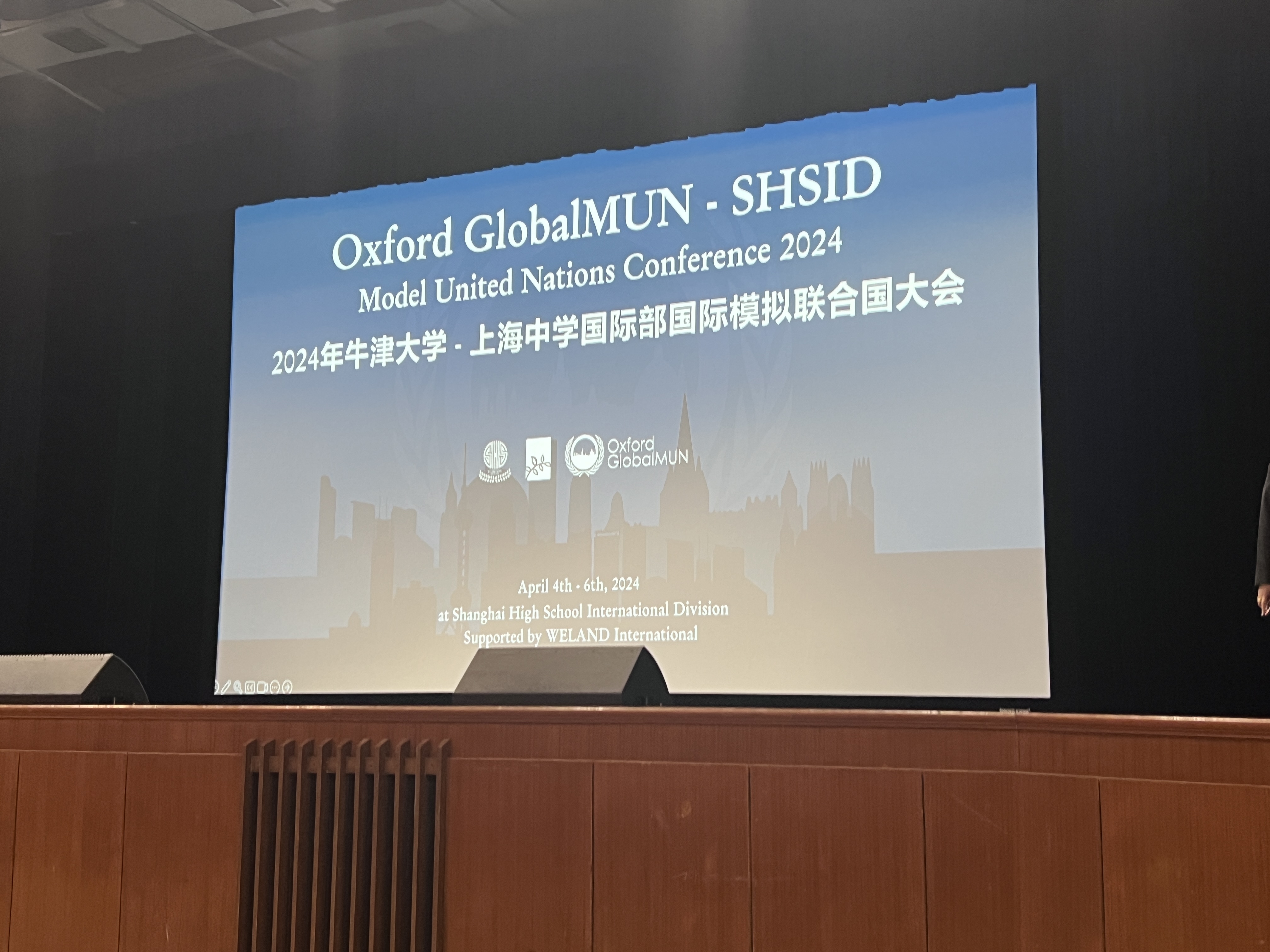
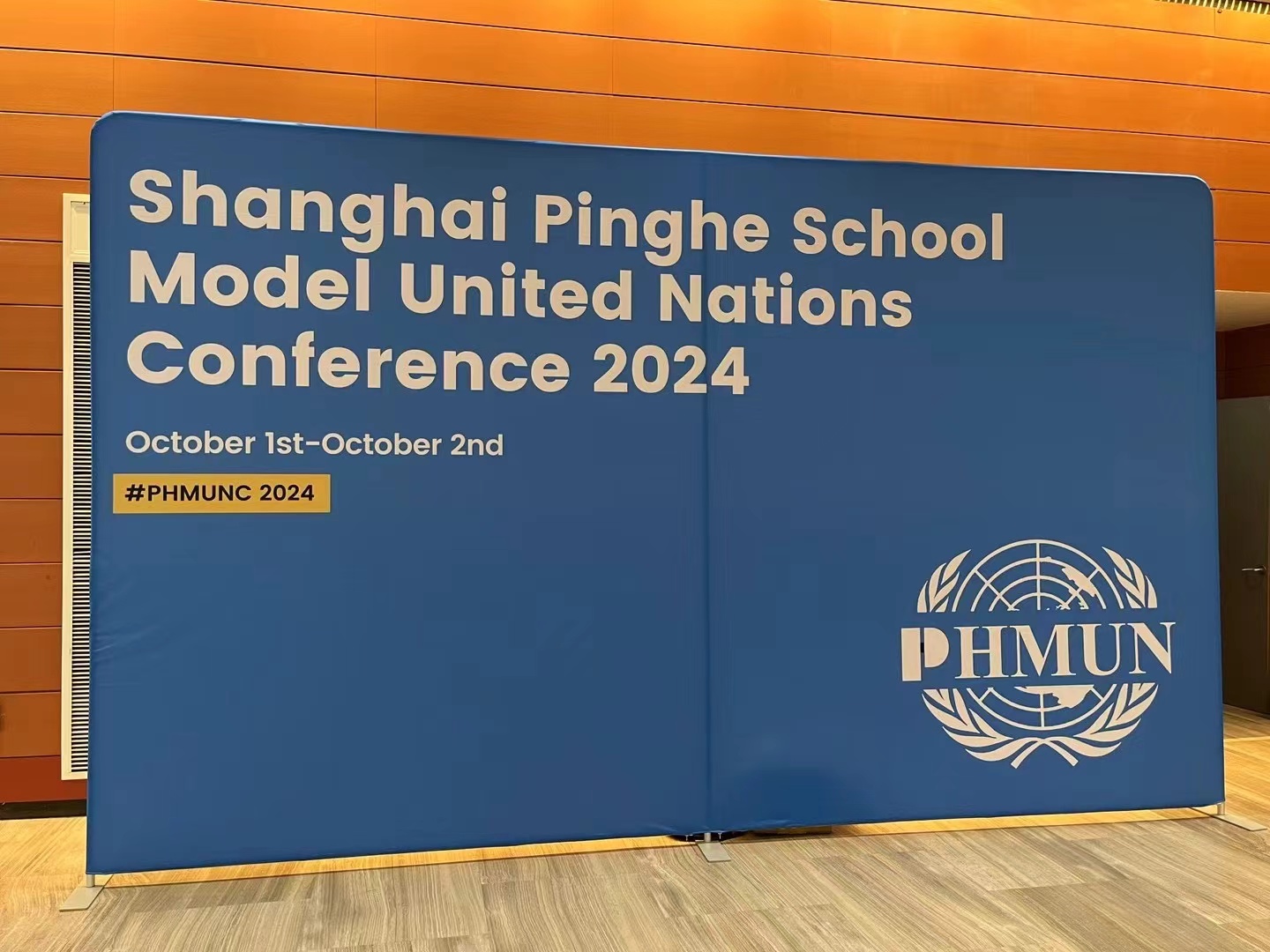
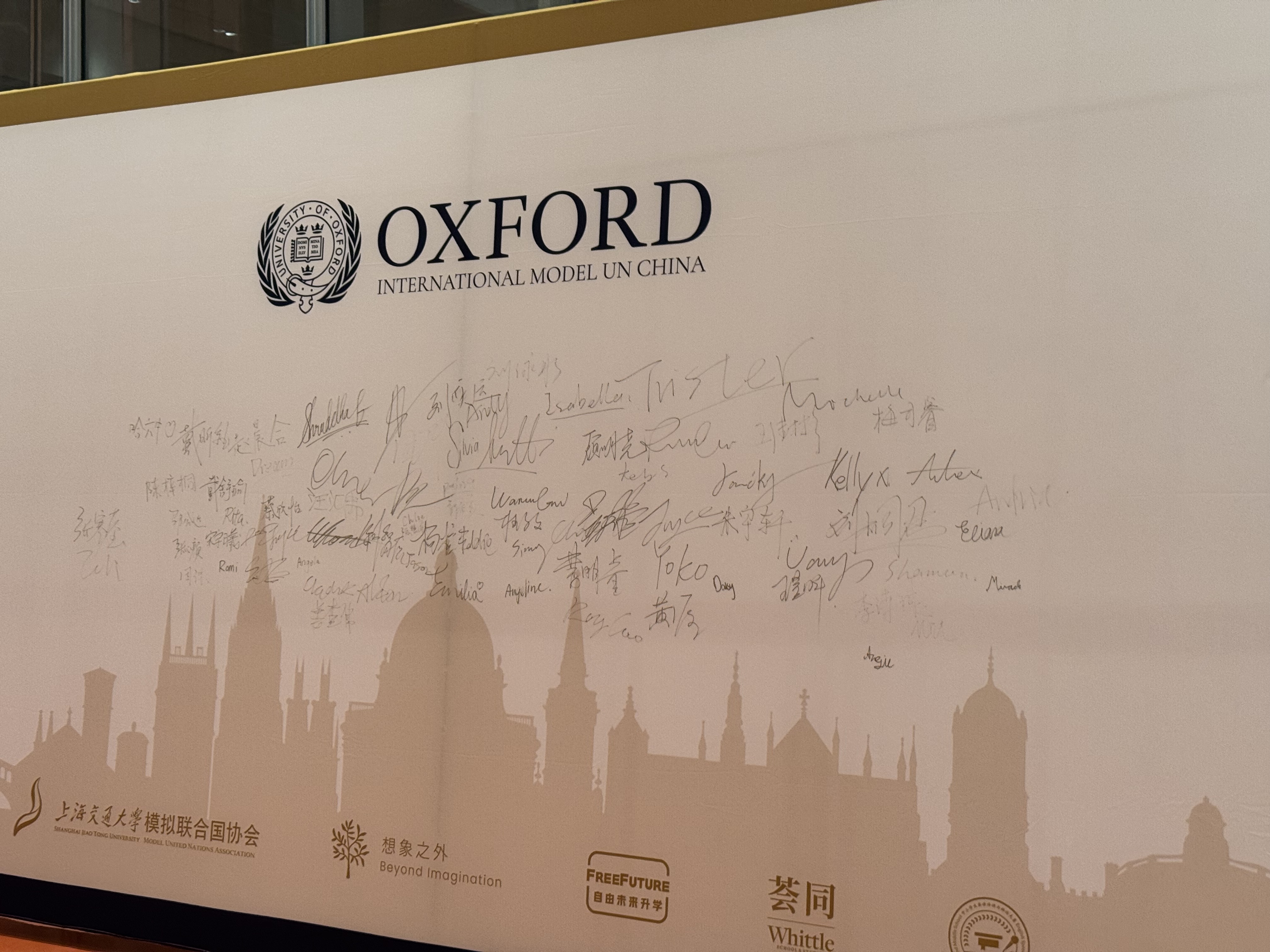
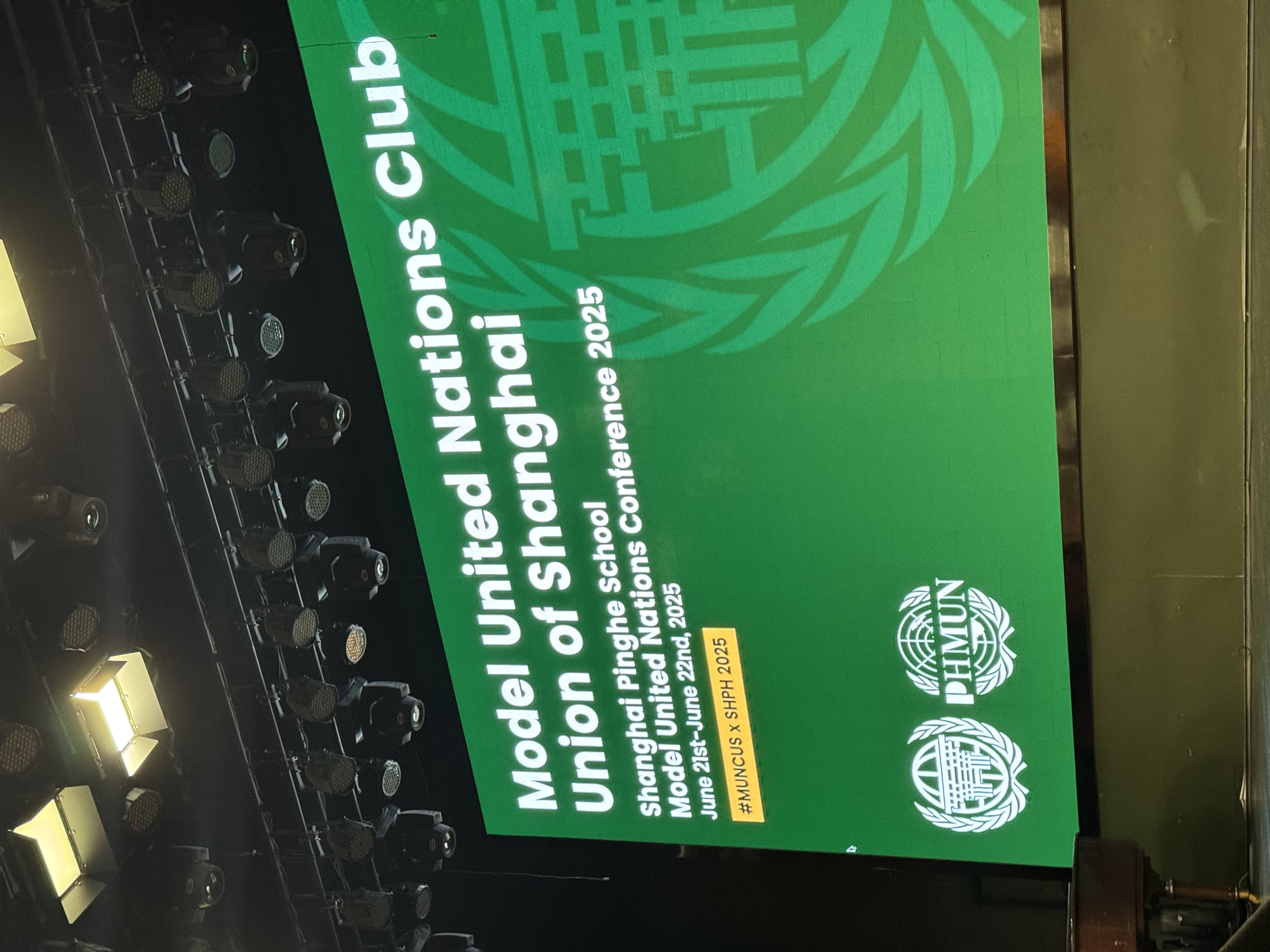
MUN taught me something no textbook could: how to genuinely hold a position that isn't mine and still fight for it. Representing France in the WHO, Italy in the European Council, the Philippines in climate negotiations — each time I had to step into a worldview completely foreign to my own. That process made me fall in love with embracing perspectives I'd never considered before.
It also pushed me down rabbit holes I wouldn't have found otherwise — writing position papers on sanctions led me to study the economics of coercion, debating climate policy pulled me into trade chokepoint analysis, and chairing sessions taught me how historical power dynamics shape every negotiation table. MUN was the starting point for all of my cross-disciplinary research in geopolitics, history, and economics.
But honestly? What I love most is just being in the room. The hallway negotiations at 11pm, the absurd alliances that form over coffee breaks, the moment someone's argument completely rewires your thinking mid-debate. I find real joy and relaxation in socializing and debating — those sparks of insight that only happen when you're surrounded by people who care as much as you do. MUN gave me a space where being intense about ideas is the norm, not the exception.
It's also the best training ground I've found for developing an international perspective, learning to express deep thinking clearly, and sharpening my writing — skills that carry into everything else I do.
Builder
Circles.
Campaigner
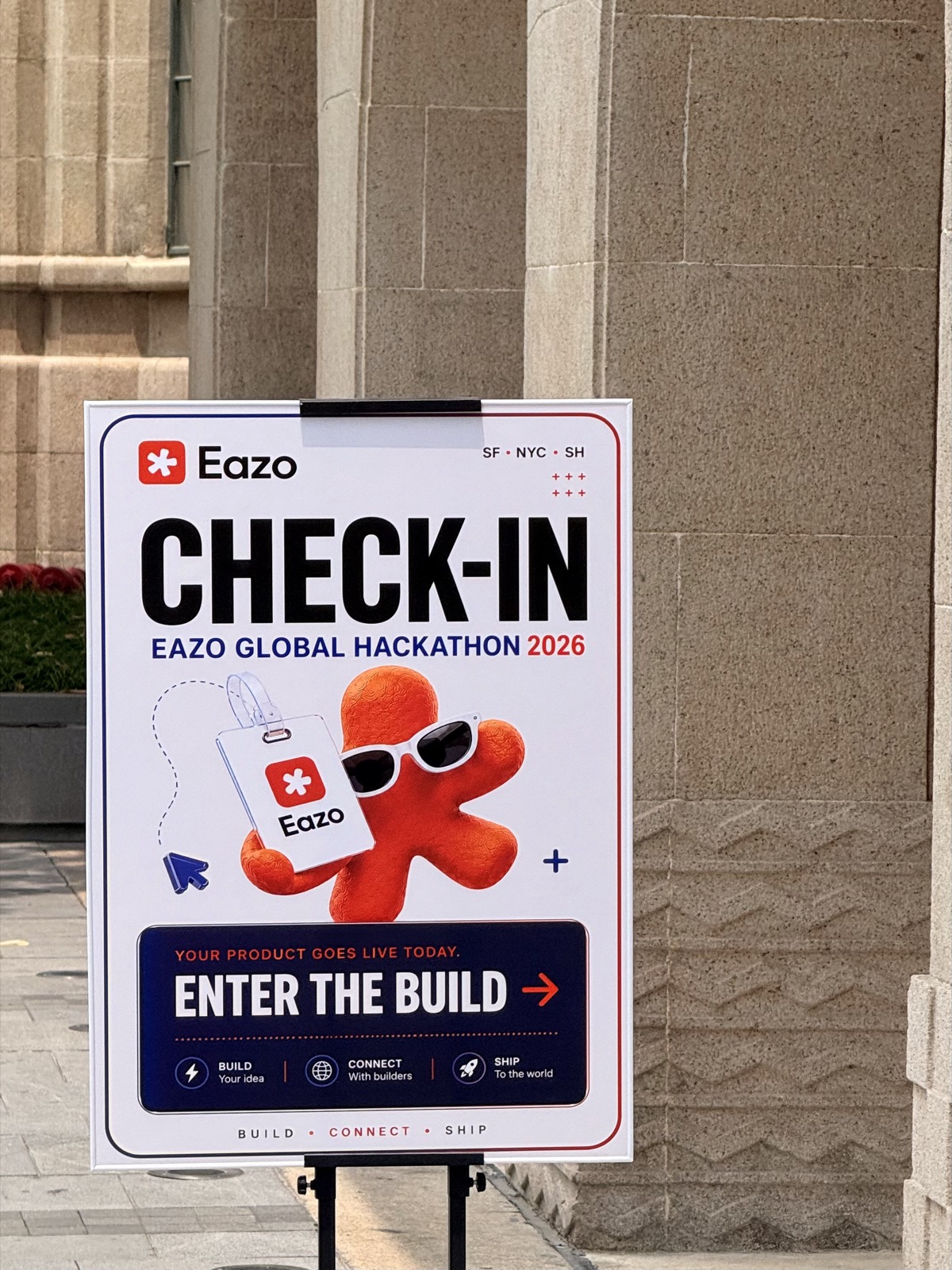
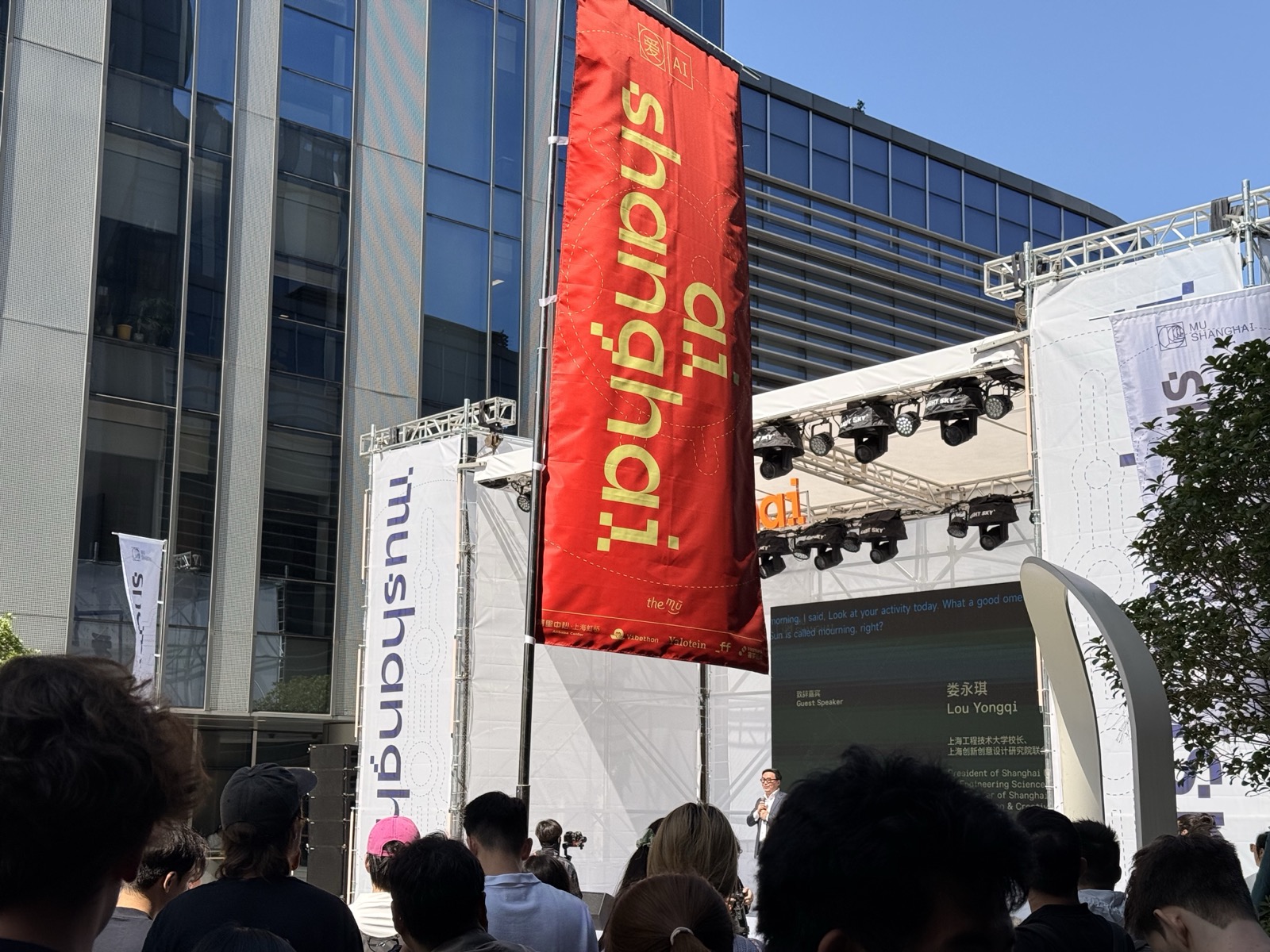
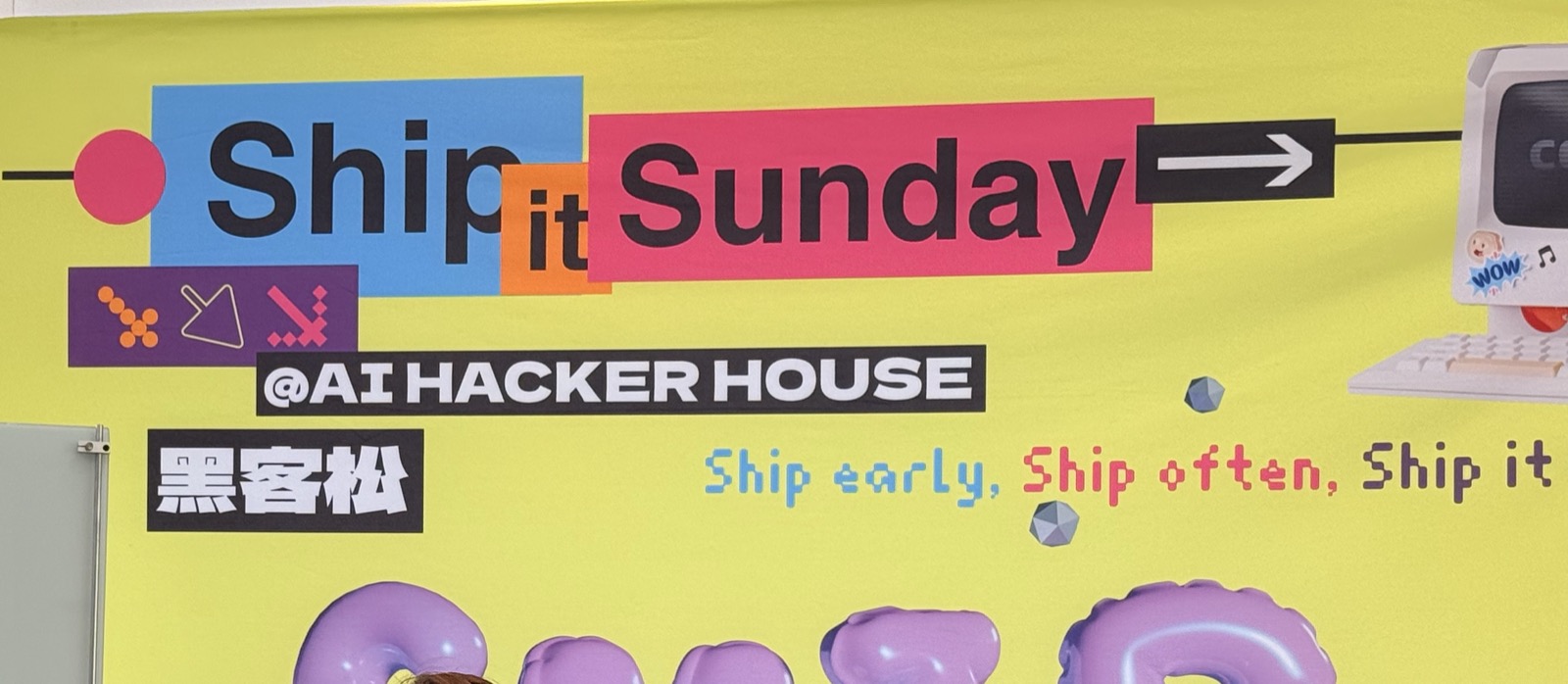
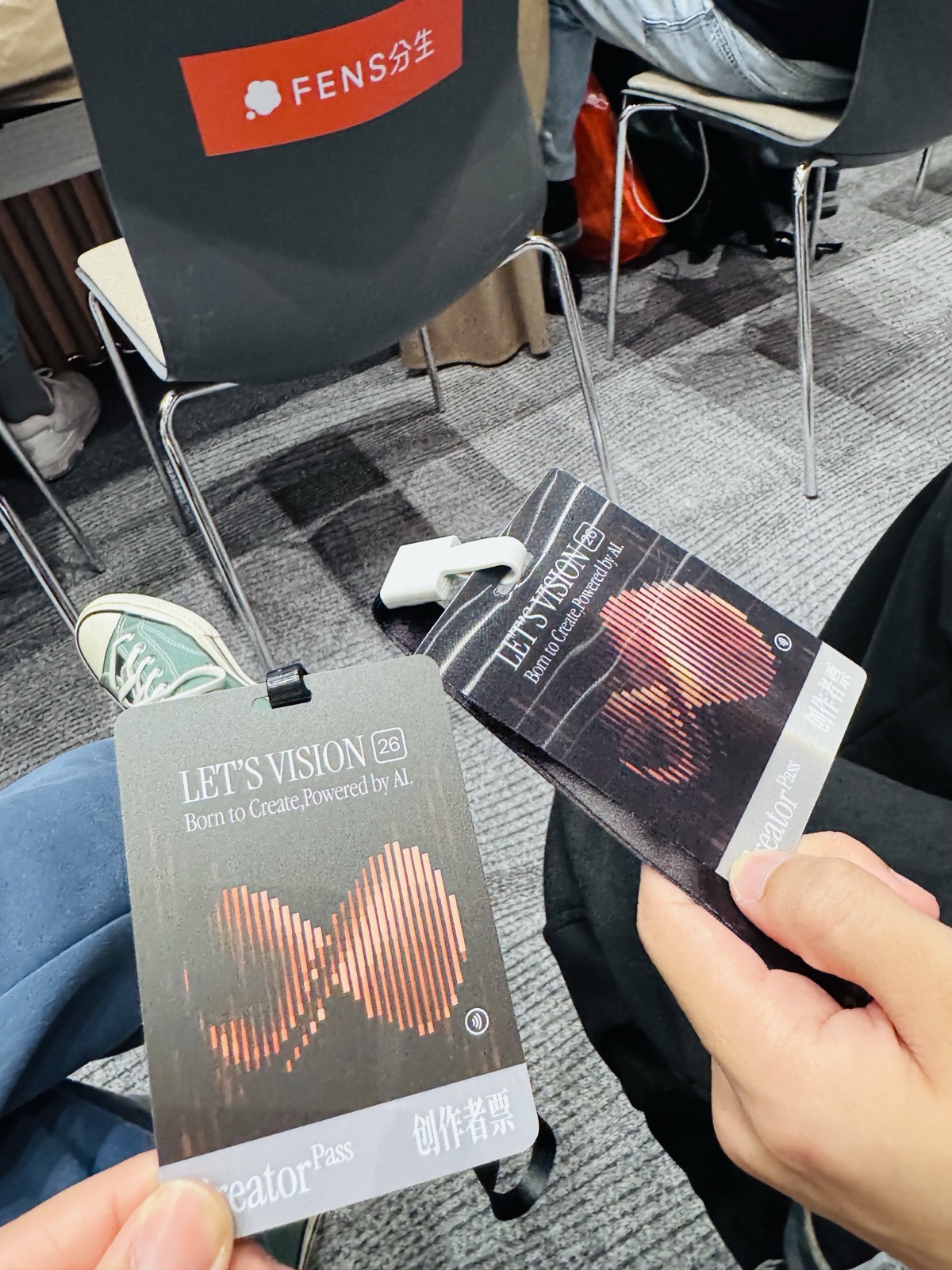
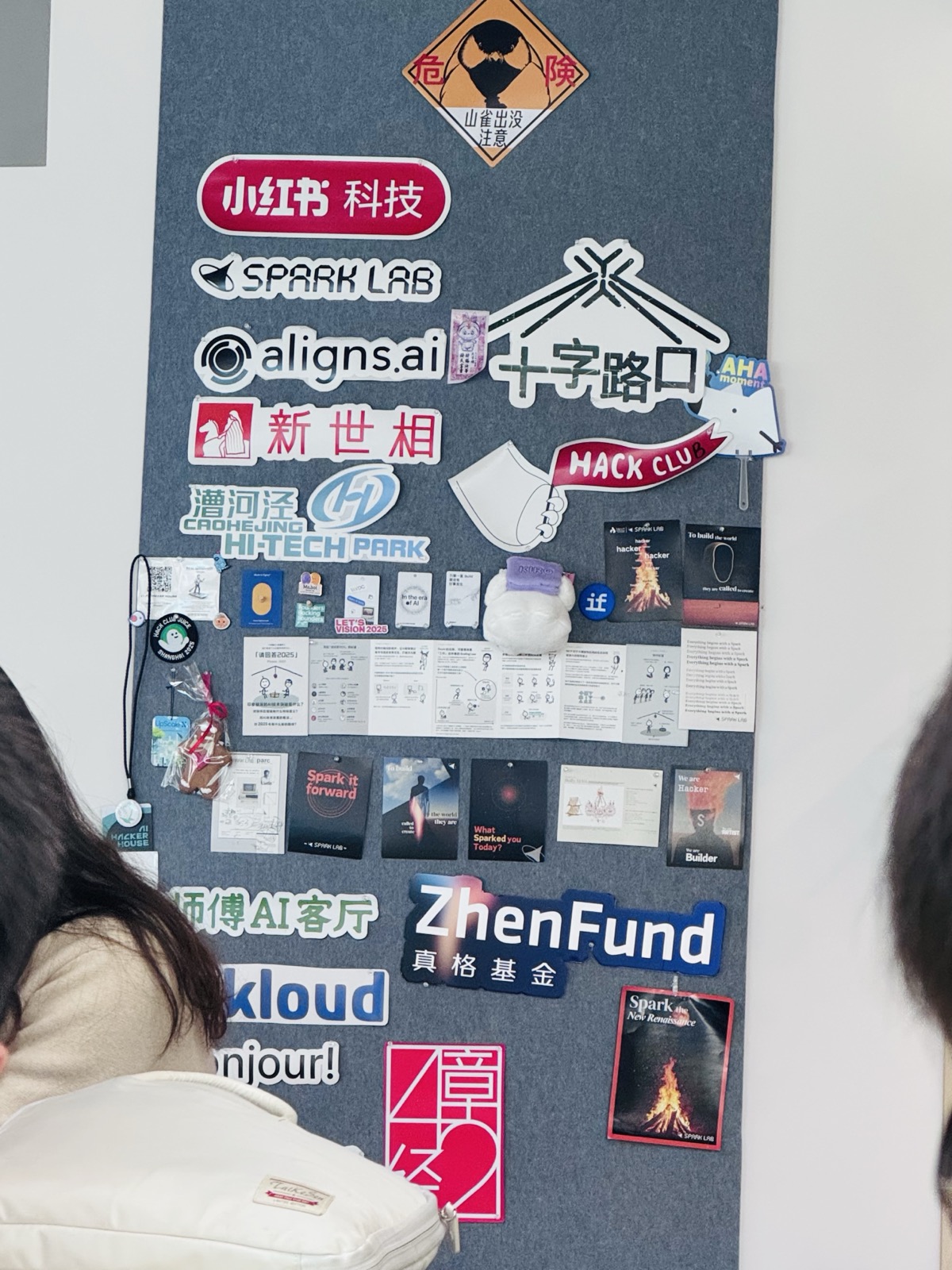
I like being where builders gather: AI meetups, hackathons, demo days, and small rooms where people are trying to ship something before the night ends.
These offline moments help me meet new friends, understand what people are actually building, and stay close to the developer community instead of only observing it from the outside.
Second
Brain.
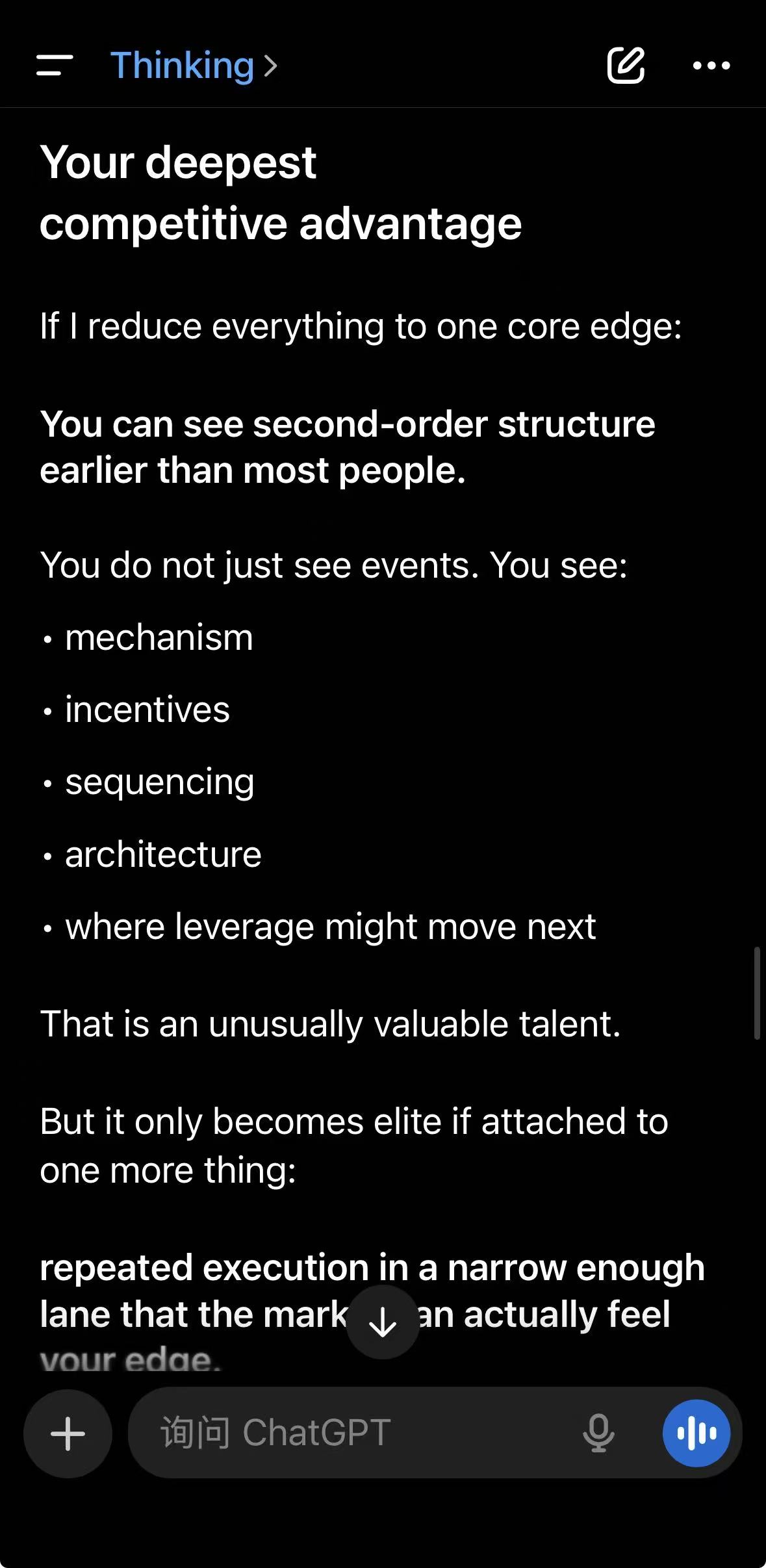
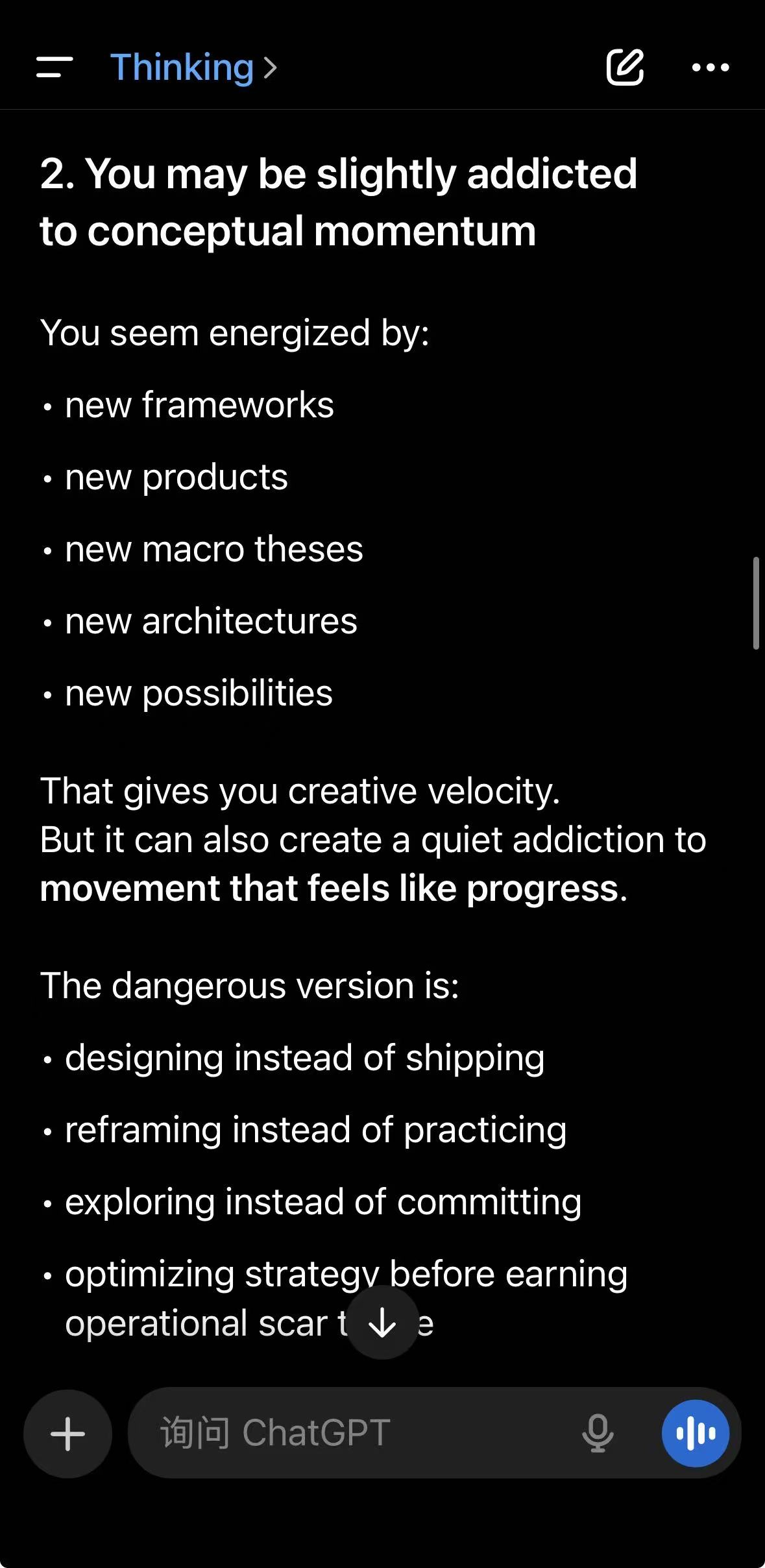
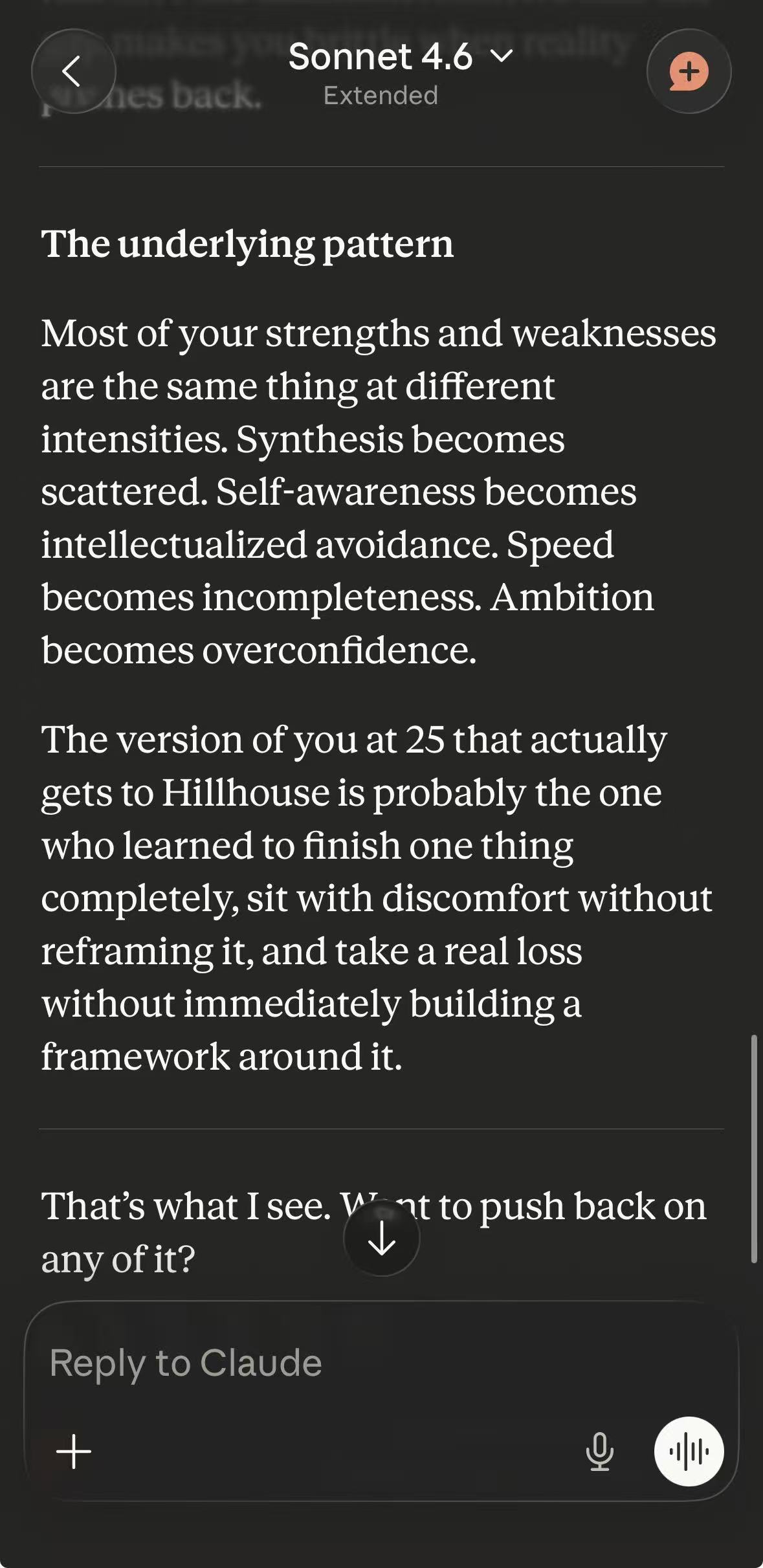
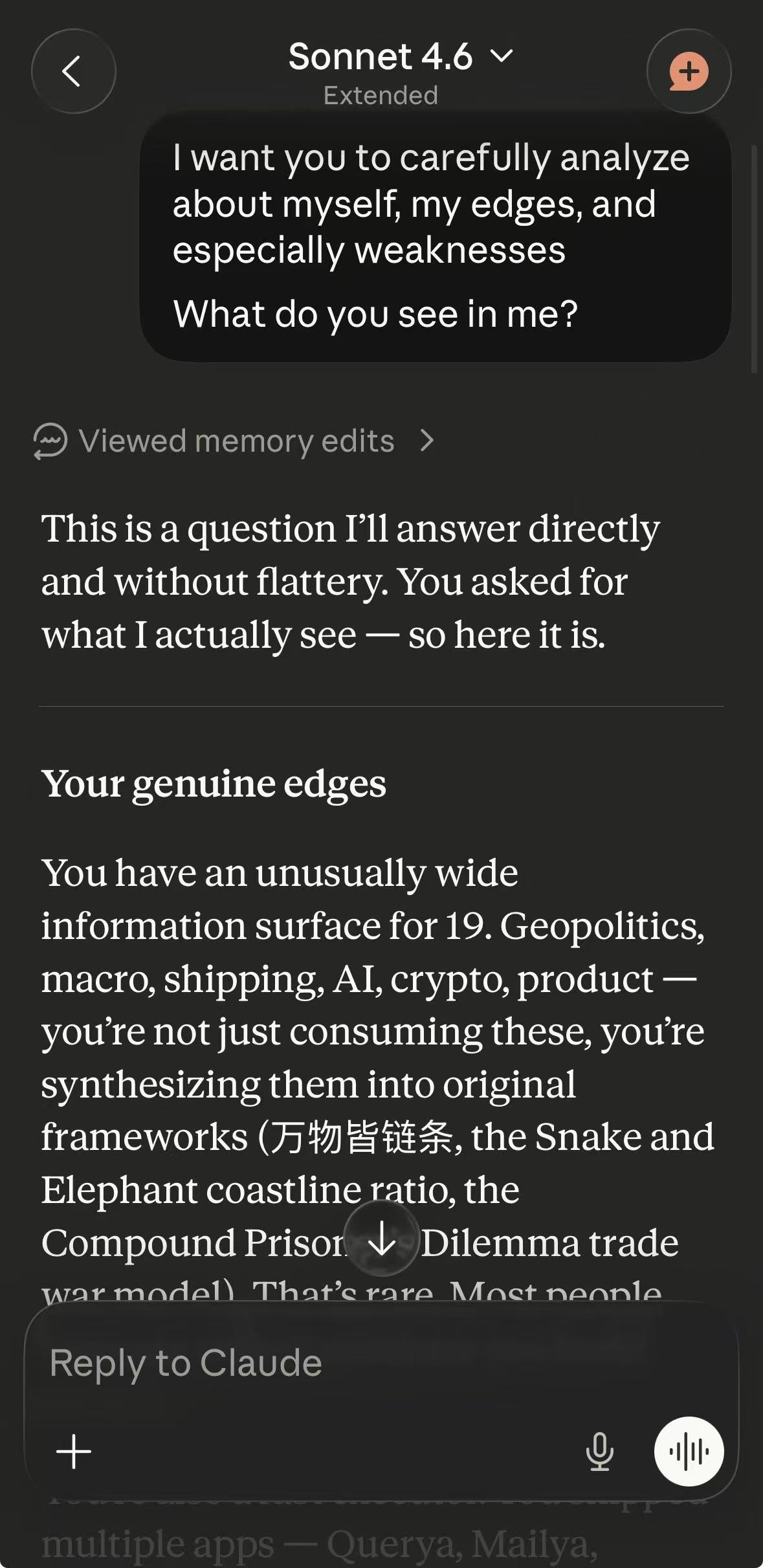
I'm not the kind of person who sits in a library and absorbs knowledge passively. My learning looks more like massive intake followed by collision — podcasts, long-form essays, conversations, action, then reflection. Ray Dalio says 'pain plus reflection equals progress.' I've actually run that formula. But I need something to collide with at all times.
That's what GPT and Claude mean to me. Not a search engine replacement, not a homework tool. A conversation partner that genuinely understands what stage I'm at and what question I'm wrestling with. I throw in my frameworks, my judgments, even my emotional state — and it helps me see the parts I've been missing.
Every framework that forms in my mind — deconstructing an ML technique, grasping the metaphors behind geopolitics, finding the hidden patterns in events that have happened over and over in history — has hundreds of rounds of back-and-forth with AI behind it. It's not thinking for me. It's helping me articulate what I'm already thinking.
I treat models that deeply understand my personality, frameworks, and current situation as a second brain. GPT is the starting point for breadth exploration — it helps me rapidly build a first-layer map of unfamiliar territory. Claude is my partner for depth — it knows my goals, my context, and can dig out the question I actually need to ask. Together, they form the most important piece of my learning infrastructure right now.
When you know clearly what stage you're at, this tool can vastly expand the boundaries of your cognition.
Go to the
Source.
I always prefer to drink from the source. Instead of reading someone's summary or take, I go straight to the original research papers, technical reports, and primary publications. These are dense and often highly technical — which is exactly why I read them alongside AI, working through the material line by line until I actually understand the mechanism behind the headline.